
What to plant, and why it still pays to water smart.
Why Go Drought-Resistant?
UK summers have been getting drier and more unpredictable — hosepipe bans, water restrictions, and stretches of genuinely hot weather are no longer rare events. If you’re planning or refreshing a garden, choosing drought-resistant plants is one of the easiest ways to keep it looking good without constant watering. Here’s what to plant, and why even the toughest drought-resistant garden still benefits from a well-designed irrigation system.
Drought-tolerant planting isn’t just about survival during a dry spell — it means less time spent watering, lower water bills, and a garden that holds its shape and colour through the parts of summer when everything else is wilting. Most of these plants originate from Mediterranean or prairie climates, where they’ve evolved deep root systems, silvery or waxy leaves, or succulent foliage that stores water — all traits that make them naturally resilient once established.
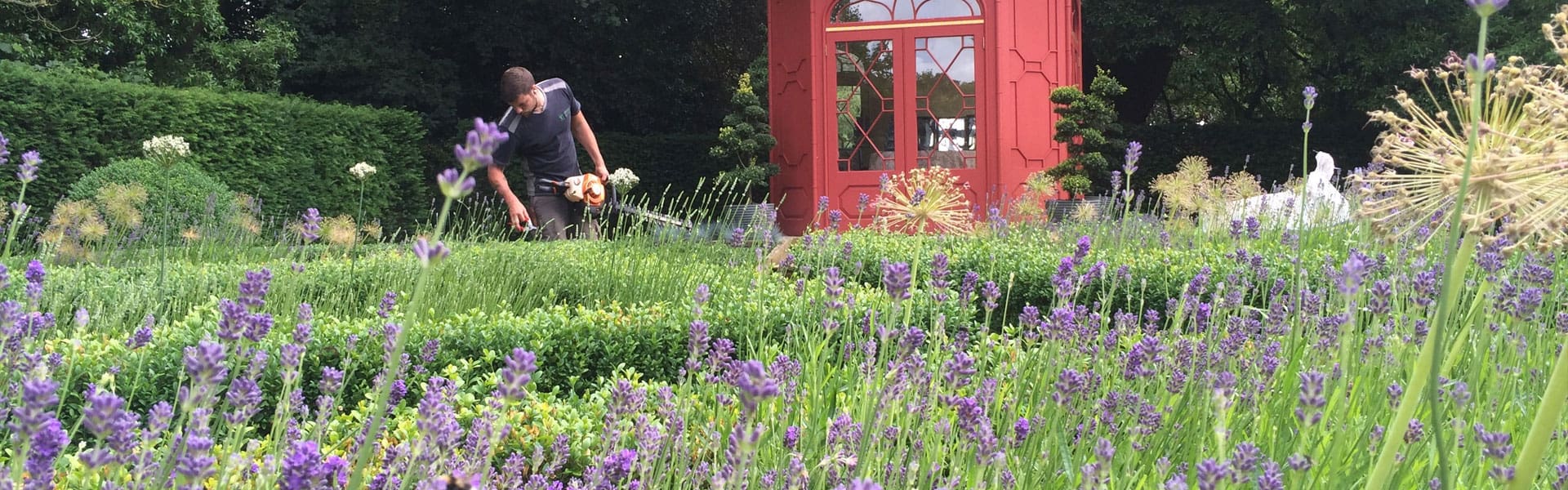
Lavender
The classic choice. Thrives in poor, free-draining soil and actively dislikes being overwatered.
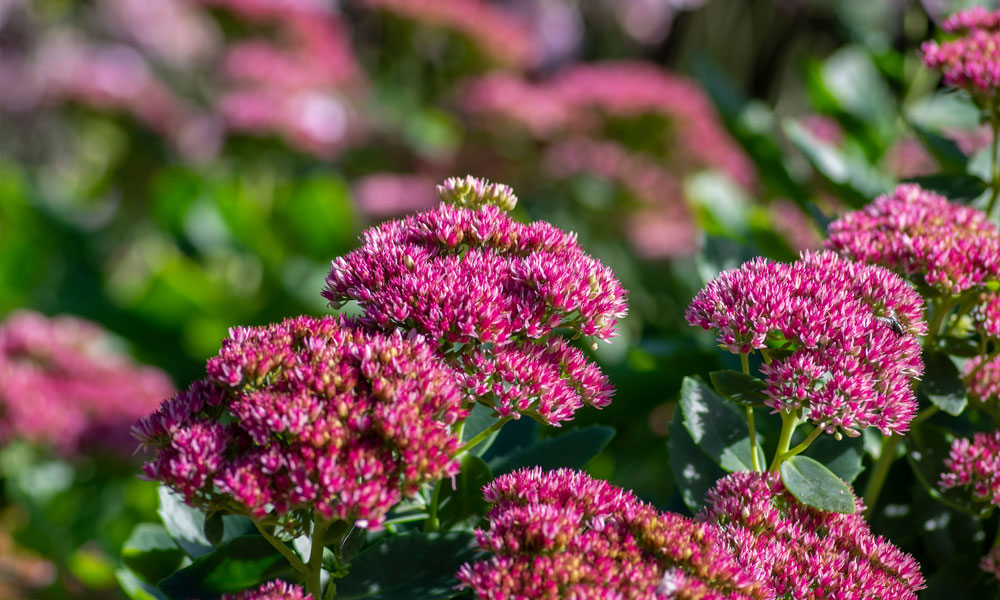
Sedum (Hylotelephium)
Succulent leaves store water, and it flowers well into autumn.
Salvia nemorosa
Long flowering season and genuinely drought-hardy once rooted in.
Nepeta (catmint)
Tough, spreads generously, and bees love it.
Verbena bonariensis
Tall and airy, self-seeds freely, copes well with dry soil.
Achillea (yarrow)
Deep-rooted and reliable through dry spells.
Euphorbia
Several drought-tolerant species with striking architectural form.
Eryngium (sea holly)
Architectural, thrives in sandy or gravelly soil.
Sempervivum (houseleeks)
Near-indestructible, ideal for gravel gardens or rockeries.
Here’s the catch that catches a lot of people out — “drought-tolerant” doesn’t mean “no water, ever.” Almost every plant on this list still needs regular watering for its first one to two growing seasons while its root system develops. Skip that establishment period and even the toughest Mediterranean shrub can fail. It’s only once roots are properly down that these plants shrug off dry spells on their own.
This is where drought-resistant planting and smart irrigation actually work together rather than against each other. A well-designed system doesn’t mean watering everything, all the time.
In other words, drought-resistant planting reduces how much watering your garden needs long-term — but a smart, zoned irrigation system is what gets it there in the first place, and keeps everything else (lawns, containers, vegetable beds) properly cared for in the meantime.
Rosemary
As happy in a border as it is in a pot, and doubles as a kitchen herb.
Cistus (rock rose)
Mediterranean shrub that flowers prolifically in full sun.
Santolina (cotton lavender)
Silvery foliage, very low water need.
Phlomis fruticosa (Jerusalem sage)
Architectural, drought-hardy, long flowering.
Perovskia (Russian sage)
Airy purple spikes, thrives in poor soil.
Hebe
Reliable evergreen structure with minimal water demand.
Yucca
Dramatic form, extremely low maintenance once established.
Drought Tolerant Trees
Amelanchier (Snowy Mespilus)
Spring blossom, tolerates dry, poor soil.
Sorbus aucuparia (Rowan)
Very adaptable, copes with drought and poor soil.
Crataegus (Hawthorn)
Extremely tough, native, drought-hardy.
Olea europaea (Olive)
Increasingly grown in UK gardens, loves dry, sunny spots.
Ficus carica (Fig)
Thrives in poor, dry soil, especially against a warm wall.
Cercis siliquastrum (Judas Tree)
Mediterranean origin, handles dry conditions well.
Every project starts with a free, no-obligation site visit and quote.