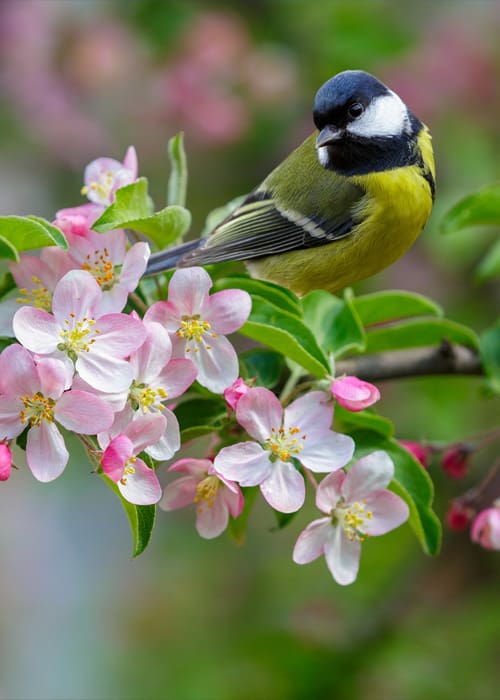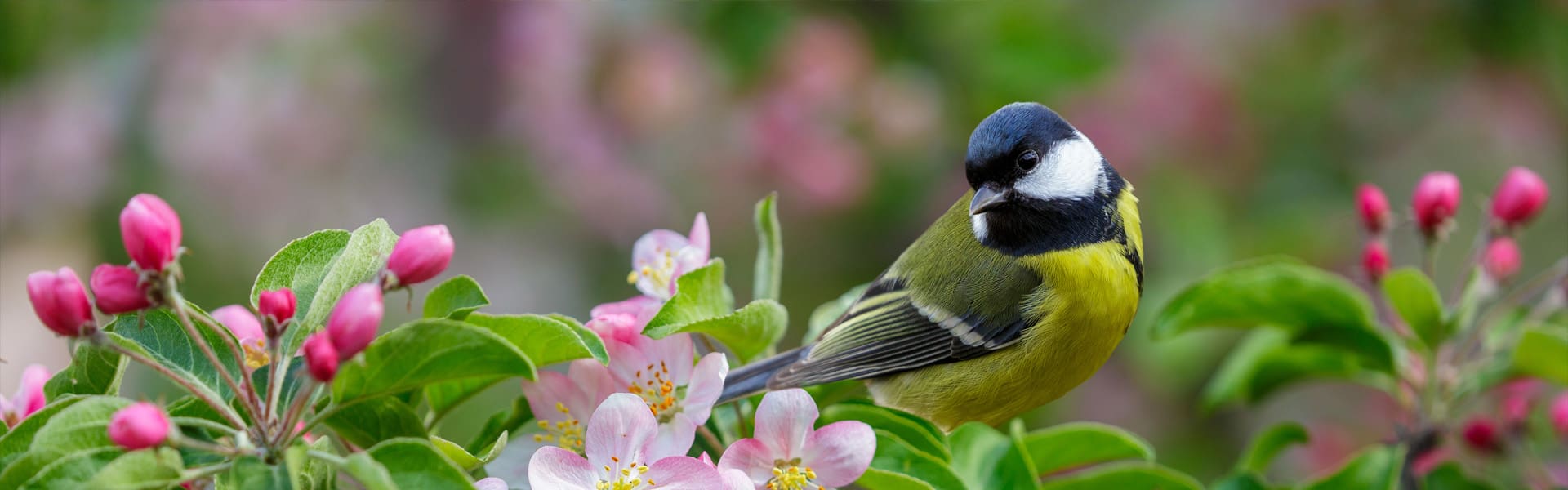
The good news is that turning even a small patch of your garden into real habitat doesn’t require a total overhaul.
Most gardens are designed for people. Wildlife gardens are designed for everyone else — the bees, birds, butterflies, and small mammals that have been quietly losing ground as native landscapes shrink into lawns and ornamental beds. The good news is that turning even a small patch of your garden into real habitat doesn’t require a total overhaul. It just requires choosing plants that do more than look nice: plants that feed, shelter, and give wildlife somewhere to raise the next generation.
Here’s how to think about it in three layers.
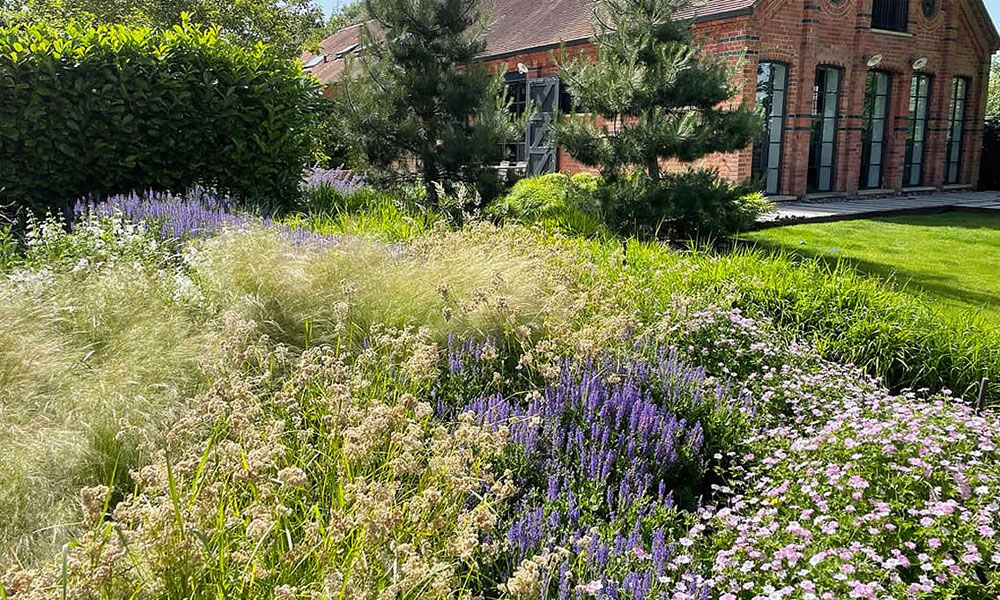
When people think “wildlife-friendly,” they usually picture flowers buzzing with bees. That’s a good start, but food needs shift with the seasons, and a well-planned garden covers all of them.
Nectar and pollen fuel bees, butterflies, moths, hover flies and some beetles through spring and summer. Britain has many beautiful native wildflowers that bloom in fields, woodlands and along roadsides, for example; Borage, Foxglove, Poppy, Meadow Cranesbil and Ragged Robin — tend to outperform showy hybrid cultivars here, since local pollinators evolved alongside the straight species.
Berries and seeds carry the baton into autumn and winter. Blackberries, Elderberry, Firethorn, Hawthorn, Spindle and Sweet box fruit heavily and hold onto that fruit well after first frost. Native grasses are a steady food source for finches and sparrows when little else is available.
Nuts from Oak, Beech, Hazel, Sweet Chestnut and Walnut trees feed many wildlife species, including squirrels, deer, and jays, and matter even more than most people realize: Oak trees alone support hundreds of species of moth and butterfly caterpillars, which in turn are the main food nesting birds feed their chicks. A single oak tree can be doing more ecological work than an entire flower bed.
Food gets the attention, but cover is what keeps wildlife alive between meals. Dense, multi-stemmed shrubs such as Alder, Blackthorn, Dogwood, Hawthorn, Hazel, and Privet provide birds and small mammals a place to duck away from hawks, cats, and cold wind.
Native British evergreens do something deciduous shrubs can’t: they keep hold of their leaf coverage through winter, supporting high levels of wildlife. Therefore, when every deciduous shrub nearby has become bare, Holly, Juniper, Pine and Yew thickets provide prime wildlife habitat.
Layering matters here. A single row of shrubs helps, but a garden with low groundcover, mid-height shrubs, and taller trees mimics the structure of a natural woodland edge — exactly the kind of layered cover most British garden wildlife is looking for.
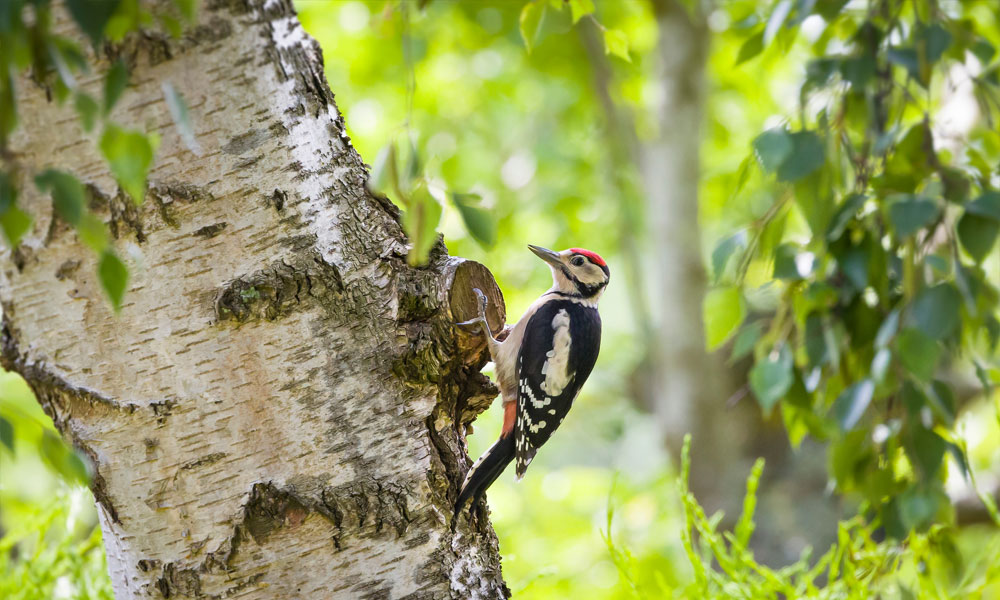
This is the piece most gardens skip entirely. Food and shelter keep animals alive, but they also need somewhere to raise young.
British native grasses and sedges supply nesting material and ground cover for wildlife species that nest at soil level. Standing dead trees, or snags, are prized for cavity-nesters such as Bats, Owls and Woodpeckers — and if you have the space to leave one standing safely, it can outperform almost anything you’d plant in its place.
And circling back to Oak trees: their real superpower isn’t the acorns; it’s the sheer number of caterpillar species they host. Baby birds are raised almost entirely on caterpillars, not seeds, which means a garden full of berries but no host plants may look wildlife-friendly without actually functioning as a nursery.
Wildlife Planting
If you only have room for a handful of plants, these ones punch above their weight.
You don’t need an acre to make a difference. A few native shrubs, a wild flower mixture patch, and one small tree can turn a garden into a functioning stopover for pollinators and birds. The goal isn’t a wild, untended mess — it’s a garden that’s still doing its job for wildlife between the moments you’re out there enjoying it too.
Oak
Food, shelter, and caterpillar host tree, all in one.
Elderberry
Fast-growing, berries for birds, and dense enough for nesting cover.
June Berry
Spring nectar for pollinators, and early summer fruit for birds.
Ivy and Honeysuckle
For late-season nectar.
Get in touch with Hortlands today to arrange a consultation.