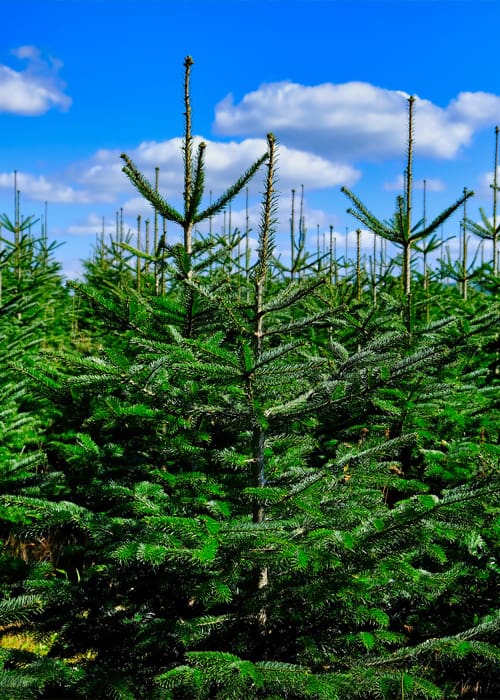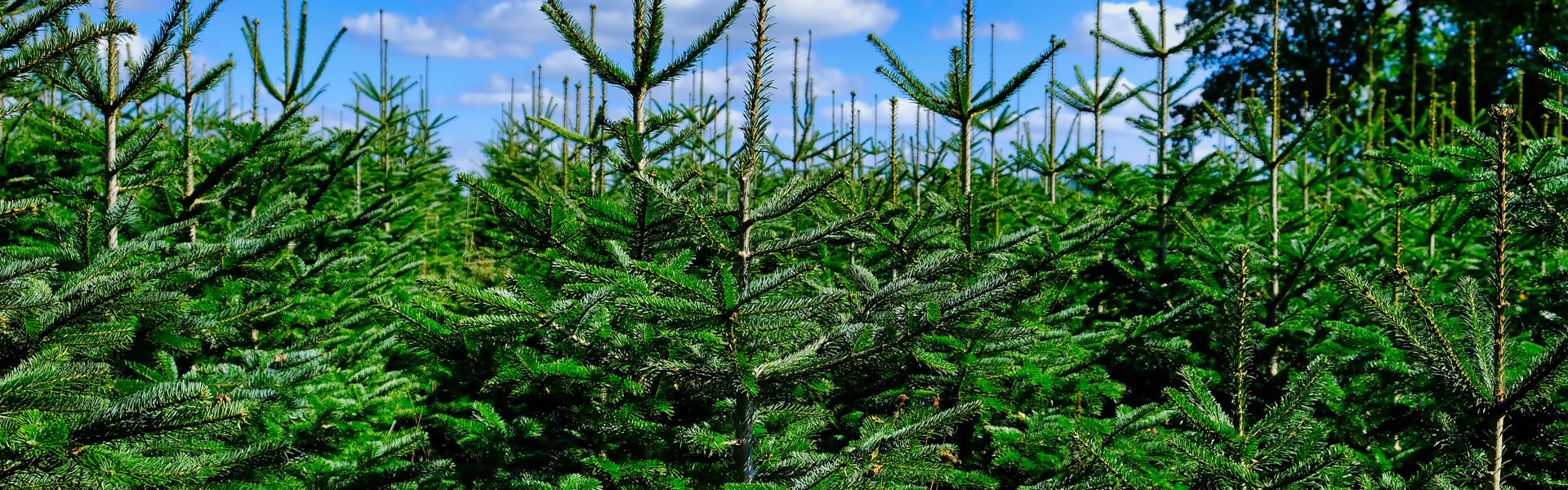
There’s a reason Picea abies has anchored British parkland and estate planting for over two centuries.
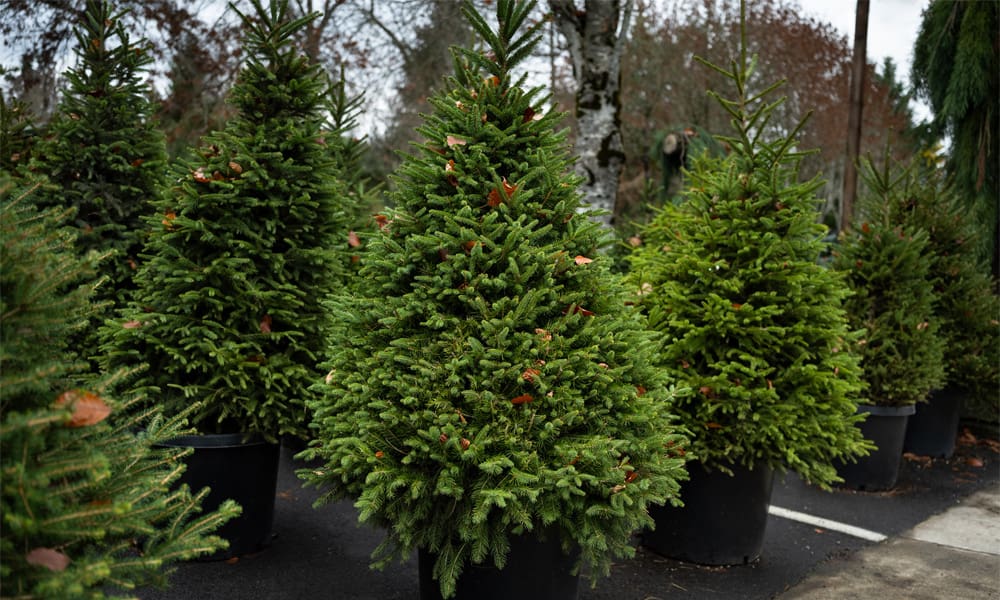
The Norway spruce brings structure, scent, and seasonal presence to a landscape in a way few conifers can match — but getting it right depends on understanding what this tree actually wants from British soil and climate.
Whether you’re planning a specimen feature, a windbreak for a larger property, or the beginnings of a traditional festive planting, here’s what matters.
Native to the cooler forests of northern and central Europe, Norway spruce has been naturalised in Britain since the 16th century and remains one of the most reliable large conifers for UK estates. It’s fast-growing in the right conditions, tolerant of a wide range of soils, and offers a dense, pyramidal form that reads as instantly established — useful when a new landscape scheme needs immediate gravitas rather than a decade’s wait.
It’s also the tree most people picture at Christmas, which makes it a natural choice for properties that host events, weddings, or seasonal gatherings where a stately, well-placed spruce sets the tone.
Planting Norway Spruce
Norway spruce is adaptable, but it isn’t indifferent. A few things to check before planting:
Soil
Prefers moist, well-drained, slightly acidic to neutral soil. It will tolerate clay better than many conifers but sulks in waterlogged or chalky ground.
Aspect
Happiest in full sun to partial shade. Avoid exposed, wind-scoured positions for young trees — establishment is where losses happen.
Space
This is not a tree for a modest border. Mature specimens can reach 20–35 metres, with a broad base spread. Plan sightlines and neighbouring planting accordingly, particularly on historic estates where long-term proportion matters.
Frost Pockets
Generally frost-hardy once established, but late spring frosts can damage new growth on very young trees — a consideration for exposed Home Counties and upland sites.

Bare-root or root-balled specimens are typically planted between November and March, while the tree is dormant — standard practice for most estate conifer work in the UK.
Watering in the first two growing seasons is the single biggest factor in successful establishment — Norway spruce is far more drought-sensitive as a juvenile than its eventual hardiness would suggest.
Once established, Norway spruce is largely low-maintenance. A few things worth building into a maintenance schedule:
A Note on Cultivar Choice
For estate and formal garden settings, the straight species is usually the right call for scale and authenticity. Where a more contained specimen is wanted, dwarf cultivars such as Picea abies ‘Nidiformis’ or ‘Little Gem’ offer the same foliage character on a manageable footprint — useful for courtyard or entrance plantings where the full species would eventually overwhelm the space.
The most common mistake with Norway spruce isn’t poor planting technique — it’s poor positioning. A tree that will eventually reach 25 metres needs to be considered in the context of the whole landscape: views from the house, proximity to drainage and services, and how it will read in the setting in twenty years, not two.
This is where early input from a landscape team pays for itself. At Hortlands, we work through exactly this kind of long-term site planning with our estate and residential clients — from initial placement through to establishment care — to make sure a specimen planting like this becomes an asset to the landscape rather than a problem for the next generation to solve.
If you’re planning a specimen tree planting or looking to develop a longer-term planting strategy for your grounds, get in touch with the Hortlands team to talk through what would work best for your site.
Our horticultural experts can help you choose the right specimen for your landscape.