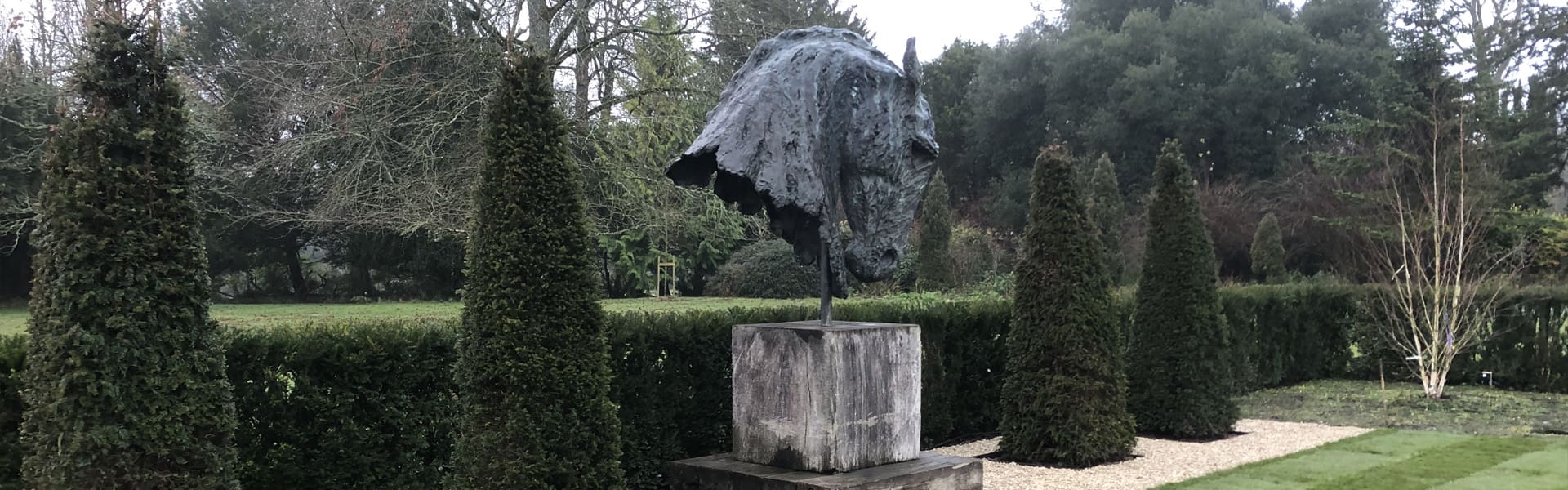
A beautiful garden requires attention throughout the year.

From pruning and planting to lawn care, hedge trimming and irrigation, each season brings different tasks that help keep outdoor spaces healthy, attractive and enjoyable.
At Hortlands, we provide professional garden maintenance services for private gardens, large estates and commercial landscapes across Buckinghamshire, Berkshire, Oxfordshire, Surrey and the surrounding Home Counties. Understanding what your garden needs at different times of the year helps protect your investment, encourage healthy growth and ensure your outdoor space looks its best in every season.
This month-by-month garden maintenance calendar explains the essential jobs to consider throughout the year, with practical advice on when to carry them out and how professional maintenance can help.
Essential January garden jobs
January is a good time to assess the garden’s structure and prepare for the growing season ahead. Although plant growth is limited, there are several important jobs to complete when weather conditions allow.
Winter pruning should always be tailored to the plant. Early-flowering shrubs, for example, are often best pruned after flowering rather than during winter.
Inspect trees and shrubs for storm damage, broken branches and potential hazards.
Remove fallen leaves and debris from paths, patios and drainage channels.
Check garden structures, fences, walls and paving for damage caused by frost or winter weather.
Prune suitable deciduous trees and shrubs while they are dormant, taking account of species-specific requirements.
Avoid walking on waterlogged lawns, as this can compact the soil and damage the grass.
Review irrigation equipment and protect vulnerable components against freezing conditions.
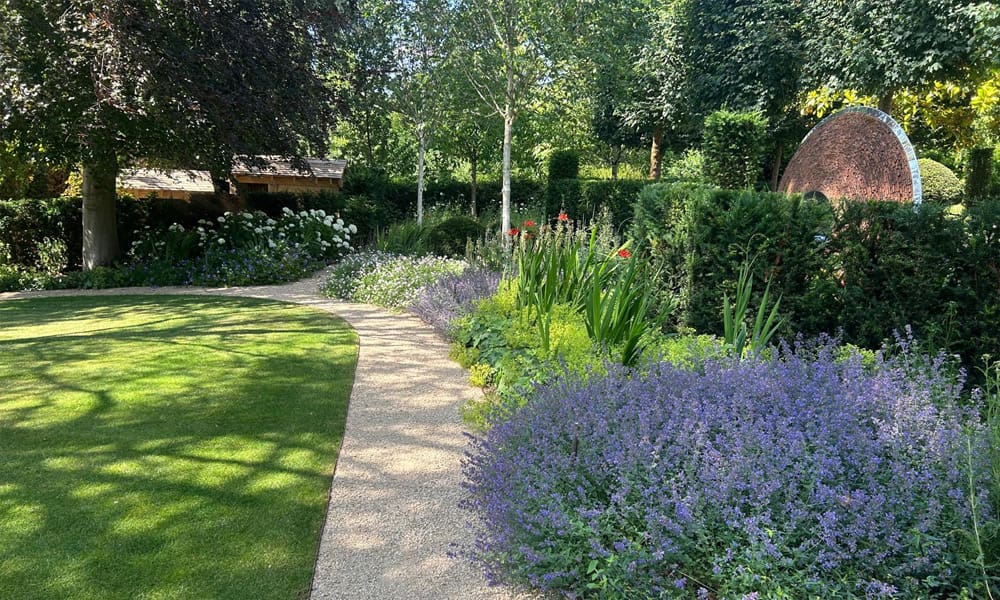
As daylight hours increase, February is an ideal time to prepare borders, lawns and planting areas for the spring growing season. The weather can remain unpredictable, so timing is important.
Essential February garden jobs:
Avoid working soil when it is excessively wet or frozen. Doing so can damage its structure and make subsequent planting more difficult.
Essential March garden jobs
March marks the beginning of a busy period for garden maintenance. Plants start growing more actively, bulbs emerge and lawns gradually recover from winter.
March is also a useful time to review planting schemes and identify opportunities to improve colour, structure and year-round interest.
Begin regular lawn mowing when the grass is actively growing and conditions are suitable.
Repair small bare patches in lawns when temperatures and soil conditions permit.
Weed borders before unwanted plants become established.
Divide suitable herbaceous perennials.
Apply mulch to prepared borders, keeping it away from plant stems.
Inspect trees, hedges and shrubs for winter damage.
Check irrigation controllers, pumps, sprinklers and dripline systems before the main watering season.
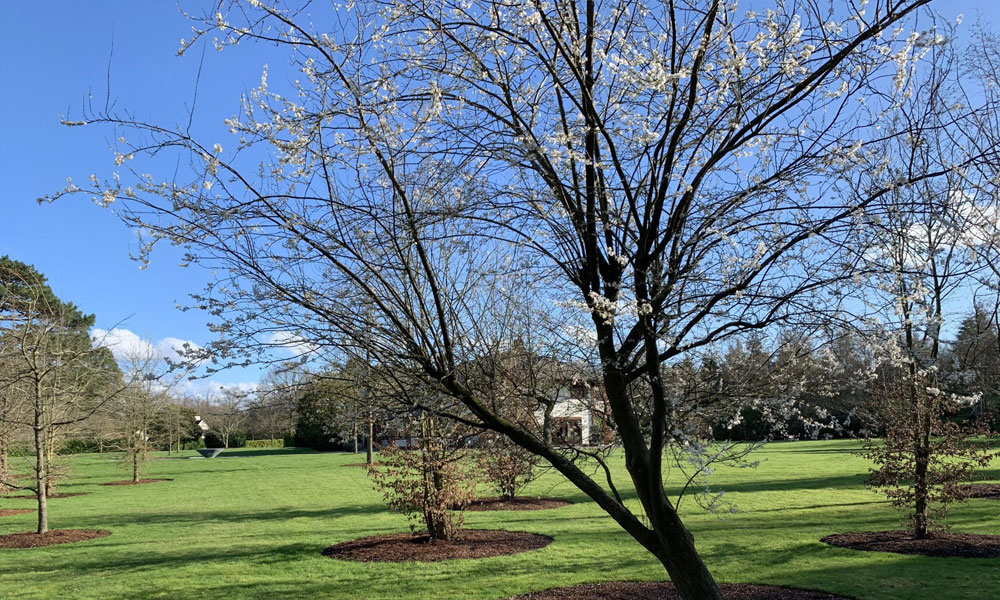
April often brings rapid growth, making regular maintenance increasingly important. Lawns need more attention, weeds become established quickly and spring-flowering plants begin to transform the garden.
Essential April garden jobs:
Mulching borders in spring can help conserve moisture, suppress weeds and improve soil condition over time.
Essential May garden jobs
May is one of the busiest months in the garden. Grass, hedges and ornamental plants grow quickly, while warmer weather can increase watering requirements.
Consistent maintenance during May helps prevent the garden from becoming overgrown as the main growing season gets underway.
Mow lawns regularly without removing too much grass at once.
Trim formal hedges where appropriate, checking carefully for active bird nests before cutting.
Weed borders and replenish mulch where necessary.
Deadhead spring-flowering plants as required.
Tie in climbing plants and support vigorous new growth.
Check automatic irrigation coverage and adjust watering schedules to suit the weather.
Monitor plants for pests, diseases and nutrient deficiencies.
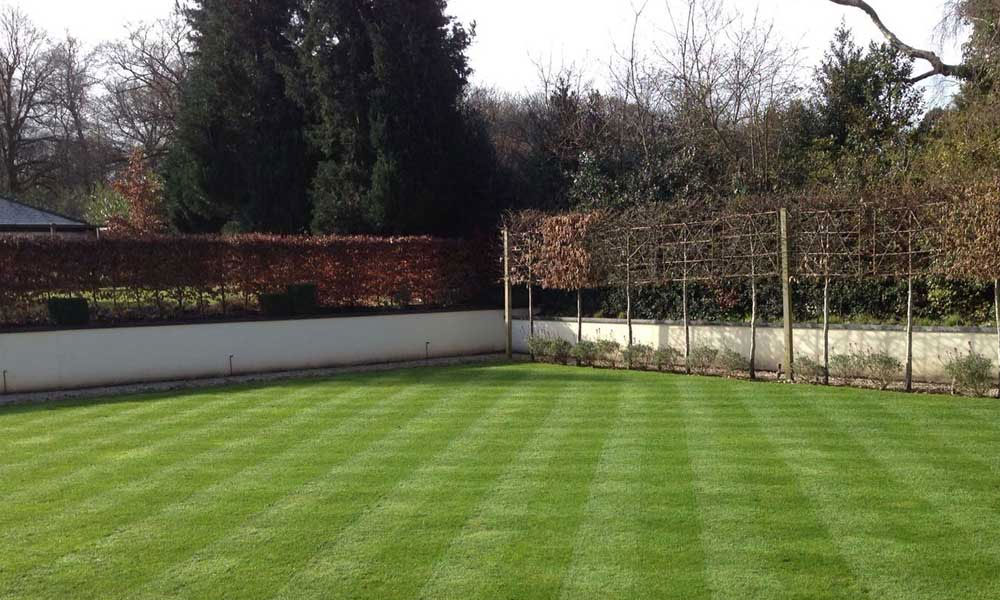
June is an important month for maintaining the appearance of established gardens. Borders fill out, lawns grow vigorously and longer days provide plenty of opportunities to enjoy outdoor spaces.
Essential June garden jobs:
For larger gardens, a planned maintenance schedule helps ensure lawns, borders, hedges and specialist features all receive the attention they need.
Essential July garden jobs
July can bring hot weather and extended dry periods, placing additional demands on lawns, borders and newly established planting. Water management becomes particularly important.
Watering deeply when needed is generally more effective than frequent, shallow watering. Early morning watering can also help reduce evaporation.
Established plants may tolerate short dry periods better than newly planted specimens, but their requirements will depend on species, soil conditions and exposure.
Water newly planted trees, hedges and shrubs thoroughly when required.
Adjust irrigation schedules in response to rainfall, temperatures and soil moisture.
Raise lawn mowing heights during hot, dry weather to reduce stress on grass.
Remove weeds from borders and hard surfaces.
Deadhead suitable flowering plants.
Monitor containers and planted areas that dry out quickly.
Check pumps, filters and sprinkler heads on automatic irrigation systems.
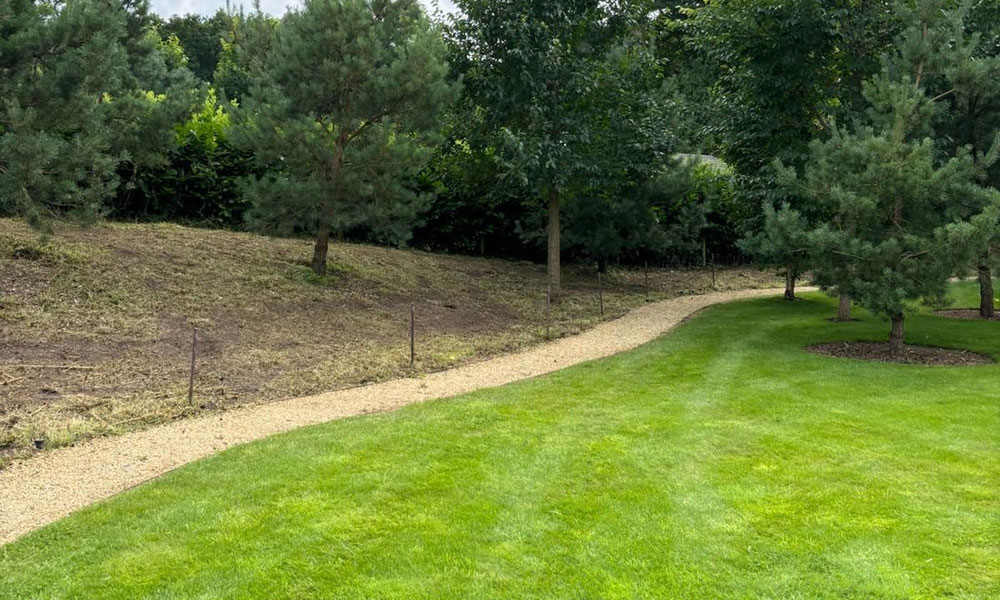
August maintenance focuses on managing continued growth while protecting plants from heat and drought. Some lawns may grow more slowly during dry weather, while borders and hedges can still require attention.
Essential August garden jobs:
Avoid unnecessary heavy pruning during hot, dry conditions. Planning autumn planting in advance can help ensure the right plants, materials and equipment are available when conditions improve.
Essential September garden jobs
September is an excellent month to review the garden after summer and prepare for the cooler months. Soil often retains some warmth, making early autumn suitable for many planting projects.
Autumn planting can give many trees and shrubs time to establish roots before the following summer. The best planting window will depend on the species, soil moisture and prevailing weather.
Repair lawns where conditions are suitable for recovery.
Aerate compacted lawns if the soil is moist enough and the grass is actively growing.
Overseed suitable bare or thin areas.
Plant trees, shrubs and hedging when conditions are favourable.
Remove weeds and tidy borders.
Collect fallen fruit and remove diseased plant material.
Inspect irrigation systems and review watering schedules as temperatures decline.
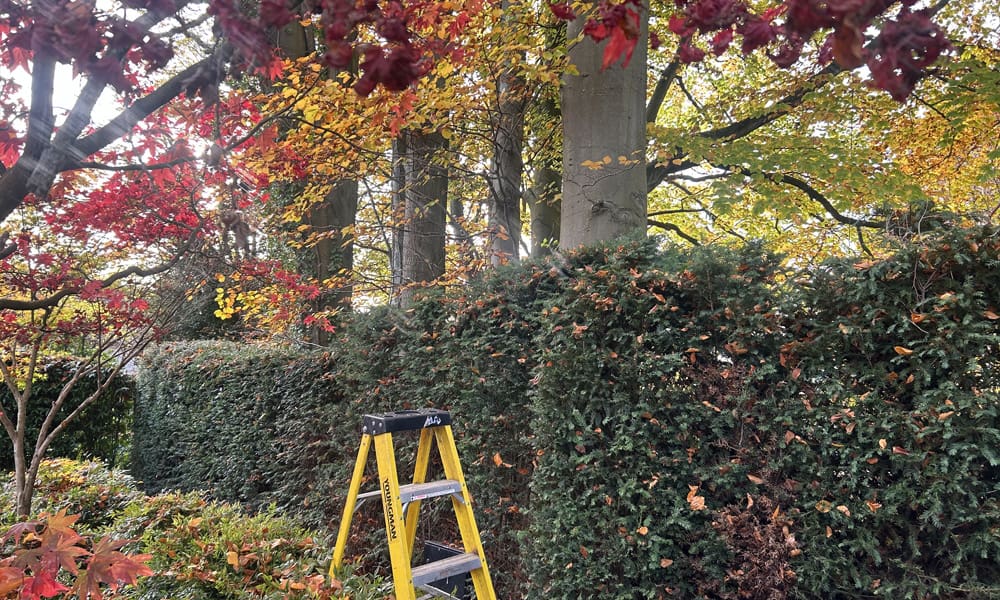
October is a key month for autumn garden maintenance. Deciduous trees begin to lose their leaves, planting opportunities increase and gardens need preparing for winter.
Essential October garden jobs:
Leaves can be composted or used to make leaf mould, which is useful for improving soil and mulching certain planting areas.
Essential November garden jobs
As temperatures fall and plant growth slows, November is a good time to complete essential clearance, protect vulnerable plants and prepare equipment for winter.
Winter preparation is particularly important for large gardens, where extensive lawns, mature trees, formal hedges and irrigation infrastructure can require coordinated attention.
Continue clearing fallen leaves from lawns and hard surfaces.
Plant suitable bare-root trees and hedging once plants are dormant and conditions are appropriate.
Apply mulch to suitable borders, avoiding contact with stems and trunks.
Protect vulnerable pots and plants from severe frost.
Clean and store tools and service garden equipment.
Drain or protect vulnerable irrigation components where required by the system design.
Inspect trees and garden structures for potential winter hazards.

December is generally a quieter month for active growth, but it remains important to keep the garden safe, tidy and prepared for the year ahead.
Essential December garden jobs:
December is also an opportunity to review the garden’s longer-term requirements, from replacing tired planting to improving screening, irrigation or lawn quality.
A well-maintained garden requires more than occasional mowing and seasonal tidying. Regular attention helps identify problems early, supports healthy plant growth and maintains the overall appearance and usability of the outdoor space.
A planned maintenance programme can include:
The precise maintenance schedule should reflect the size of the garden, its planting scheme, soil conditions, intended appearance and the amount of use it receives.
Get in touch with Hortlands today to arrange a consultation.