Choosing the right trees is one of the most important decisions when planning a garden.
Trees provide structure, privacy, seasonal colour and valuable habitats for wildlife, but the size and maturity of the trees you select can have a significant impact on the finished landscape.
For some gardens, planting young trees and allowing them to develop over time is the ideal solution. For others, mature trees offer an immediate transformation, establishing height, screening and visual impact from the moment they are planted.
So, should you choose mature trees or younger specimens for your garden? The answer depends on your budget, available space, landscaping objectives and how quickly you want to achieve your desired results.
In this guide, Hortlands explores the advantages of mature and young trees, helping you decide which option is best for your garden.
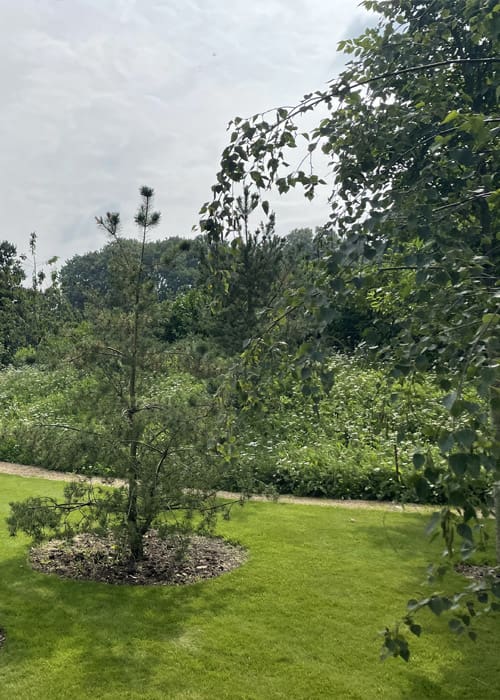
Young trees are typically supplied as smaller nursery-grown specimens that require time to develop into substantial features. They are often easier to handle and transport, making them suitable for a wide range of gardens and planting schemes.
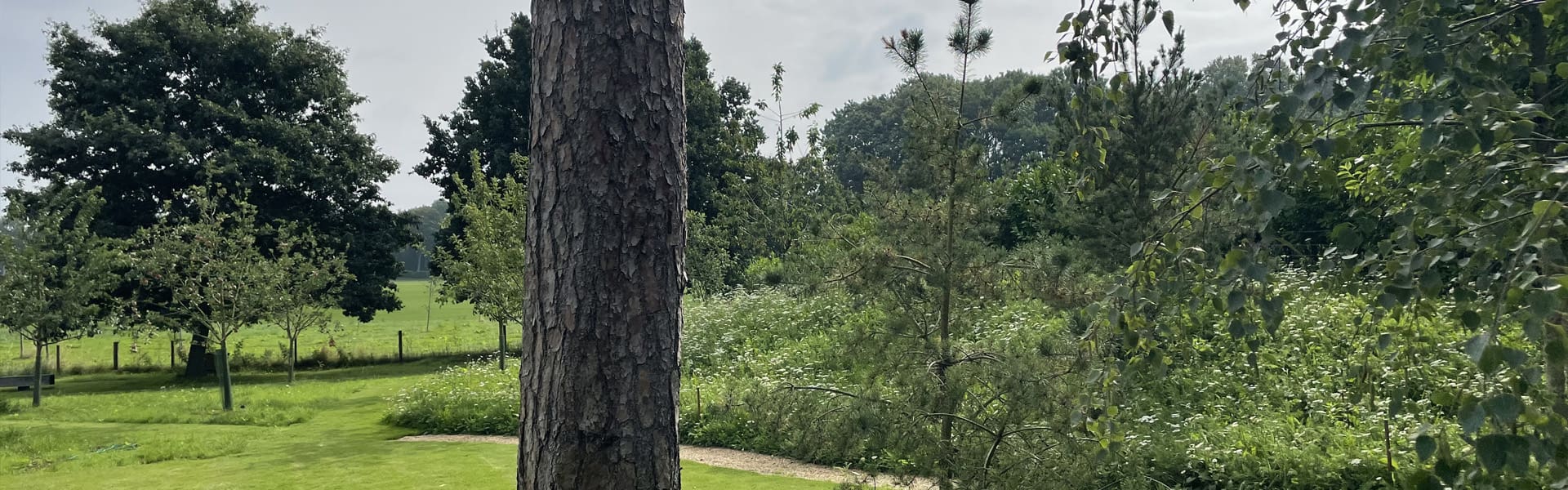
Mature trees are larger, more established specimens that provide greater height, canopy spread and visual presence. Depending on the species and specification, they can be several metres tall and may require specialist equipment and professional installation.
The term mature tree can cover a wide range of sizes. Some specimens are simply well-grown nursery trees, while others are large, semi-mature trees selected to create an immediate impact in a landscape.
Hortlands specialises in sourcing and planting mature trees, helping homeowners, landscapers, developers and estate managers achieve their landscaping objectives with carefully selected specimens.
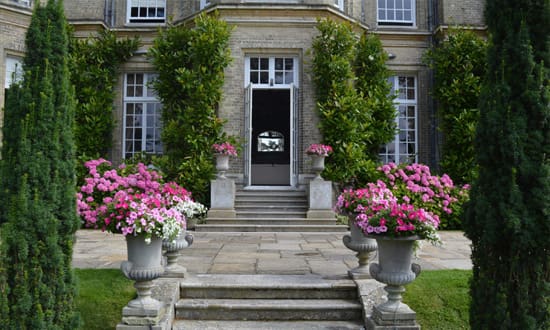
One of the main advantages of mature trees is their ability to transform a garden immediately. Rather than waiting years for a young tree to reach a substantial size, you can introduce height, canopy and established structure from the outset.
Mature specimens work particularly well in large gardens, formal landscapes and new-build properties where the surrounding planting may initially look sparse.
A carefully positioned tree can create a focal point, frame a view, soften architectural features or provide a sense of permanence in a newly landscaped space.
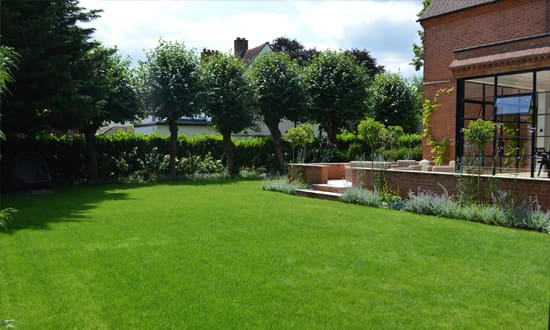
Mature trees can provide a quicker solution when screening neighbouring properties, reducing overlooking or creating separation between different areas of a garden.
Depending on the species, mature evergreen trees can provide year-round screening, while deciduous varieties offer seasonal coverage and a more open appearance during winter.
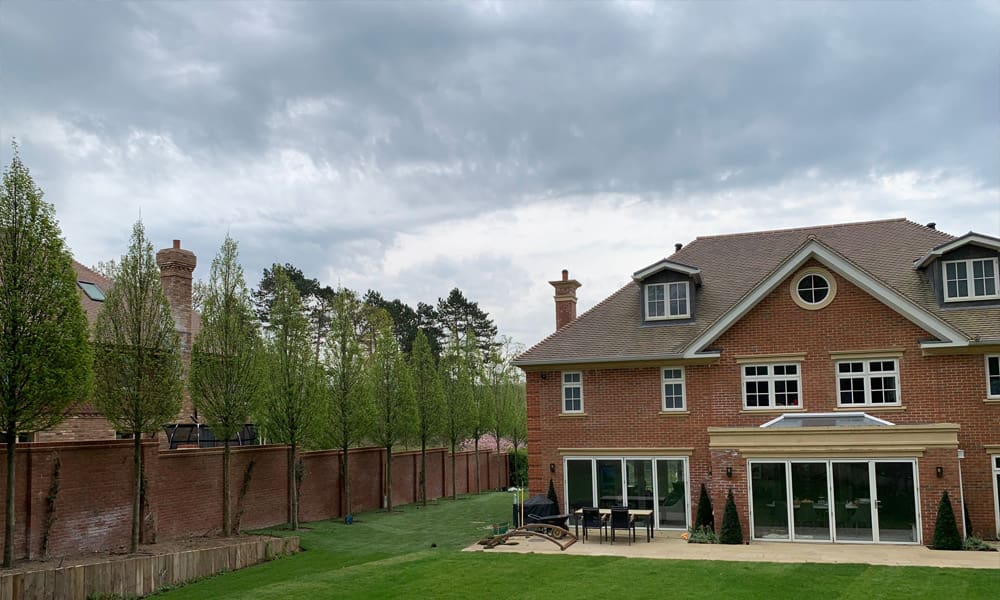
Pleached trees can also be effective where screening is required above a boundary wall or fence without occupying the same amount of ground space as a broad, free-growing tree.
The best choice depends on the available planting area, desired screening height, soil conditions and how much maintenance you are prepared to undertake.
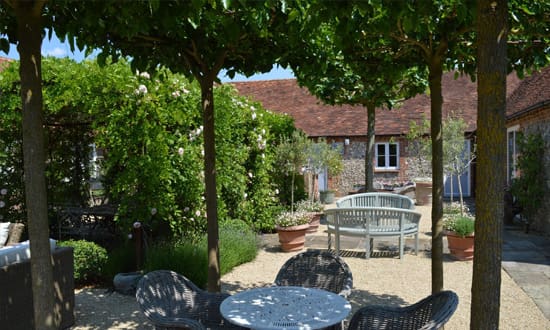
Large gardens can sometimes appear unfinished when planting consists entirely of small trees and shrubs. Mature specimens help establish a balanced relationship between the house, garden structures, lawns and surrounding landscape.
They can also provide a framework around which smaller plants, ornamental grasses and perennial borders can be arranged.
For properties with substantial architecture or extensive grounds, the scale of mature trees can be particularly important in creating a cohesive landscape.
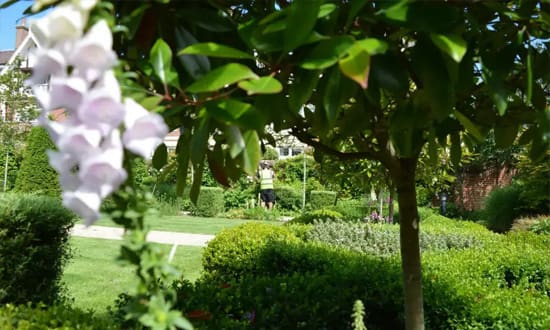
Mature trees can introduce an established appearance that would otherwise take many years to develop. Depending on the species, they may provide attractive bark, distinctive branching, spring blossom, summer shade or vibrant autumn colour.
Species such as silver birch, hornbeam, ornamental maple and multi-stem trees can each create a different effect, from light, naturalistic planting to more formal architectural structure.
Selecting the right specimen allows the tree to become an integral part of the garden design rather than simply another planting feature.
Young trees are generally less expensive to purchase than larger specimens of the same species. They may therefore be a practical choice when working within a limited planting budget or establishing a large number of trees.
For extensive gardens, estates or development sites, planting smaller trees can allow more of the landscape to be planted within the available budget.
However, the initial purchase price is only one part of the overall cost. Watering, aftercare, replacement planting and the time required to achieve the desired appearance should also be considered.
Smaller trees are usually easier to transport, position and plant than large specimens. They generally require less substantial access arrangements and may be suitable for gardens where space is restricted.
Larger trees can require specialist lifting equipment, cranes, telehandlers or carefully planned access routes, particularly where rootballs are heavy or planting locations are difficult to reach.
Where access is limited, a young tree may provide a more practical solution.
Young trees have the opportunity to develop within their surroundings as they grow. With appropriate species selection, planting conditions and aftercare, they can establish into long-term features of the garden.
Their smaller size can also make it easier to incorporate them into developing planting schemes, particularly where the final arrangement may evolve over several years.
Growth rates vary considerably between species and depend on soil conditions, exposure, available moisture and ongoing care. Choosing a suitable tree for the site is therefore more important than relying on growth rate alone.
Smaller trees can be easier to position in compact gardens, narrow borders and areas close to existing structures. They also offer greater flexibility when planting several specimens together.
For example, a mixed planting scheme might combine smaller ornamental trees with shrubs and perennials to create seasonal interest without overwhelming the available space.
Careful planning is still essential. Even a small tree can eventually develop a substantial root system and canopy, so its expected mature dimensions should always be considered.
The cost of a tree depends on several factors, including species, height, canopy spread, trunk girth, rootball size, availability and the complexity of planting.
Young trees generally have a lower purchase price, while larger specimens require more nursery space, handling and transport. Installation costs can also increase when specialist lifting equipment or restricted-access arrangements are necessary.
When comparing quotations, it is important to consider the complete project rather than the tree price alone.
Factors to consider include:
For a premium garden or landscape project, mature trees can be a worthwhile investment when the immediate visual effect is an important part of the design. For larger planting schemes where time is available, young trees may offer better value.
Hortlands can help identify suitable specimens and advise on the practical requirements of sourcing and planting larger trees.
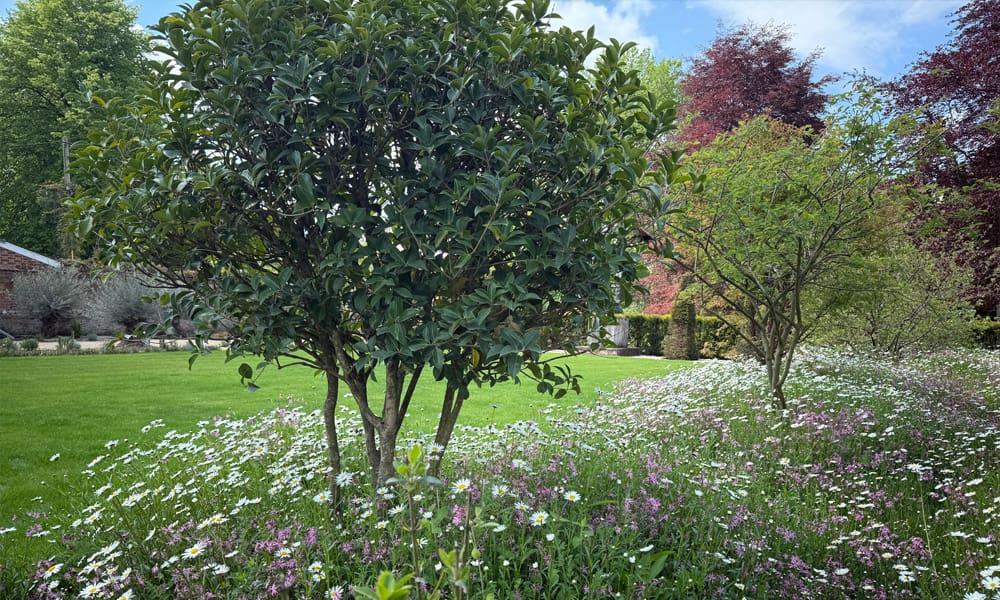
Mature trees are often the best choice when you want immediate impact, substantial structure or faster screening. They are particularly effective in premium garden transformations, large landscapes and new-build properties where an established appearance is important from the outset.
Young trees may be more appropriate when initial cost is the priority, access is restricted or you are happy to allow the landscape to develop over time.
In many gardens, the best solution is a combination of both. Larger specimens can establish the main structure, while younger trees, shrubs and perennials fill out the planting scheme and develop over the following years.
The most successful approach is to choose trees according to the garden’s scale, soil, available space and long-term objectives.
Bring instant scale, structure and character to your garden with expertly sourced and planted mature trees.